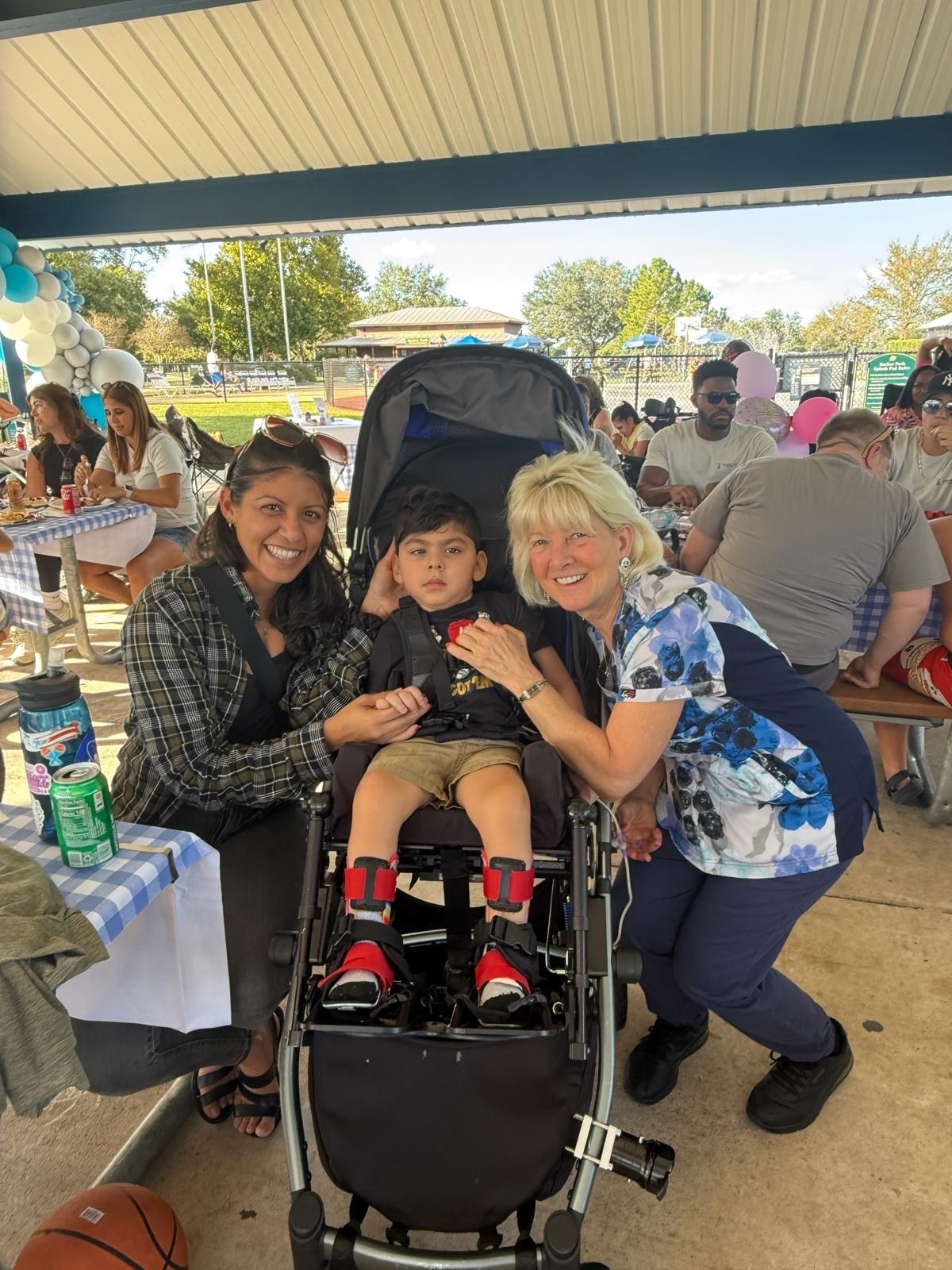
A private duty nurse career can make a meaningful impact for families and patients with complex medical needs. Here’s how.
Private duty nursing jobs offer skilled nurses the opportunity to provide one-on-one care in the comfort of patients’ homes. Unlike traditional hospital or clinic roles, private duty nurses work closely with patients and families, often managing complex medical needs and making a tangible difference in daily life.
For nurses seeking a career that blends clinical expertise, autonomy, and personal fulfillment, a private duty nursing career is a rewarding choice.
What Does A Private Duty Nurse Do?
In private duty nursing, nurses care for patients of all ages — from newborns and children with specialized medical needs to adults and seniors requiring complex care. Many patients rely on nurses trained in advanced skills, including ventilator management, tracheostomy care, and gastrostomy tube care.
Key responsibilities include:
Providing continuous, individualized nursing care for patients with complex medical conditions
Collaborating with families to tailor care plans to routines, preferences, and lifestyle needs
Educating family members to participate in care between nursing shifts confidently
Monitoring patients closely and responding to changes in condition with clinical judgment
Maintaining accurate documentation and communicating effectively with physicians and care teams
These duties allow private duty nurses to develop advanced clinical skills, form deep relationships with patients, and enjoy a high level of professional autonomy.
Who Thrives in Private Duty Nursing Jobs?
Nurses who enjoy one-on-one care, independent problem-solving, and hands-on patient interaction are often the best fit for a private duty nurse career. This role is ideal for professionals who want to:
Build meaningful connections with patients and families
Apply specialized skills in a home setting, including pediatric ventilator and trach care
Make a direct, measurable impact on patient outcomes
Enjoy a flexible schedule and the ability to manage care creatively
Benefits of Working in Private Duty Nursing
Private duty nursing jobs offer advantages beyond clinical experience. Nurses can gain:
Professional growth: Exposure to a wide range of medical conditions and advanced care techniques
Autonomy: Managing a patient’s care independently while collaborating with families and physicians
Job satisfaction: Seeing the direct impact of your work on patient safety, comfort, and quality of life
Career flexibility: Opportunities for full-time, part-time, per diem schedules, and professional development
Making a Difference for Families
For families, private duty nurses provide more than clinical care; they bring peace of mind. Patients with complex medical needs, including children with ventilators, tracheostomies, and gastrostomy tubes, benefit from consistent, skilled nursing in their own homes. Nurses also teach and guide caregivers, helping families feel confident and supported.
How to Find Private Duty Nursing Jobs
If you’re interested in a private duty nurse career, opportunities exist across multiple patient populations and care settings. Jobs for private duty nurses often include specialized training and ongoing education to ensure nurses are fully prepared to meet patients’ unique needs. Atlantic Care Services provides support and resources for nurses looking to grow their careers in this rewarding field.
Ready to Start Your Private Duty Nurse Career?
Private duty nursing jobs at Atlantic Care Services give you the chance to use your skills, grow professionally, and make a lasting impact on patients and families. Contact us today to explore your career options and take the next step toward a fulfilling career as a private duty nurse.
What is private duty nursing vs home health? Learn how Atlantic Care Services provides skilled, one-on-one in-home nursing and personal care for your loved one.
When it comes to in-home care, families often hear terms that sound alike but are actually quite different. For example, understanding the difference between private duty nursing and a home health aide can help you make informed decisions about the care your loved one receives.
Private duty nursing provides continuous, individualized nursing care in the home. Unlike standard home health services, which may involve periodic visits from multiple clinicians, private duty nurses are often assigned to one patient for extended shifts. This ensures consistent care, particularly for patients with complex medical conditions or children with specialized needs.
Key benefits of private duty nursing include:
Continuous monitoring and skilled care: Private duty nurses can manage ventilators, tracheostomies, gastrostomy tubes, and other complex medical needs.
Personalized care plans: Nurses work closely with families and physicians to tailor care to the patient’s routines and preferences.
Family support: Nurses educate and empower family members, helping them feel confident in providing care between shifts.
Private duty nursing is ideal for families seeking highly skilled, consistent support in the comfort of their home.
How Private Duty Nursing Differs from Home Health
While private duty nursing falls under the broader umbrella of home-based care, there are key differences:
Frequency of care: Home health usually involves shorter, intermittent visits, often for post-surgical care or chronic condition management. Private duty nursing provides longer, more consistent coverage.
Scope of services: Home health can include nursing, therapy, or aide visits, depending on a physician’s orders. Private duty nursing focuses on skilled medical care and one-on-one attention.
Patient population: Private duty nurses often care for patients with complex, ongoing medical needs or children requiring advanced pediatric support, while home health may serve a broader range of patients with short-term or rehabilitative needs.
Understanding the private duty nurse vs home health nurse roles can help families choose the best care model for their loved one.
Advantages of Private Duty Nursing Careers
Though this blog focuses on family decision-making, it’s worth noting that private duty nursing is also a fulfilling career for skilled nurses. Nurses enjoy:
Building deep, meaningful relationships with patients and families
Developing advanced clinical skills in a one-on-one setting
Greater flexibility and autonomy in scheduling and care planning
For families, this means private duty nurses are highly engaged, knowledgeable, and dedicated to improving patient outcomes.
Choosing the Right Care for Your Loved One
When considering care, families should evaluate many aspects, including:
The complexity of medical needs and required interventions
The level of consistent support needed throughout the day or night
How much education and guidance the family requires to participate in care
Private duty nursing can provide families with peace of mind, knowing that a skilled professional is available to manage complex medical needs safely and compassionately.
About Atlantic Care Services
At Atlantic Care Services, our team specializes in private duty nursing and personal care services for patients of all ages. We are committed to providing highly skilled, individualized care in the home, helping families navigate medical needs while maintaining quality of life.
Ready to Learn More?
When your loved one needs expert in-home nursing care, Atlantic Care Services is here to help. Our private duty nurses work closely with families to provide thoughtful, one-on-one support tailored to each patient’s needs. Contact us today to discuss how our private duty nursing services can benefit your family.
Discover the evidence-based benefits of home health care, including reduced hospitalizations, cost savings, and improved quality of life.
When it comes to making decisions about care, families want to be confident that they’re choosing the best option for health, safety, and quality of life. Home health care offers a distinctive combination of medical expertise and personal support—all delivered in the comfort of home.
However, beyond convenience, there is strong evidence indicating that home health care offers measurable benefits for both patients and the healthcare system.
Why Home Health Care Is Effective
Why is home health care effective? Research consistently shows that receiving skilled care at home can lead to better health outcomes, greater satisfaction, and smarter use of healthcare resources—making a strong case for choosing home care when medical needs arise.
Reduced Hospitalizations and Emergency Visits
One of the most widely documented benefits of home health care is its ability to prevent avoidable hospitalizations. According to the Centers for Medicare & Medicaid Services (CMS), patients receiving home health services experience fewer emergency department visits compared to those without home-based care. A Health Affairs study also found that early discharge with home health care reduces the risk of readmission, particularly for older adults recovering from surgery or illness.
By providing close monitoring, medication management, and early intervention, home health care teams can identify potential issues before they become emergencies—helping patients stay safe at home and avoid hospitalization.
Cost-Effectiveness Without Compromising Care
Hospital stays and institutional care are among the most expensive forms of treatment. Home health care offers a cost-effective alternative while maintaining high-quality outcomes.
A Medicare Payment Advisory Commission (MedPAC) report highlights that home health care reduces overall healthcare spending by shortening hospital stays and avoiding costly readmissions. Families also save on non-medical expenses such as transportation, childcare, and time away from work.
For many patients, this means receiving the care they need without the added financial strain.
Higher Patient Satisfaction and Quality of Life
Healthcare isn’t just about treating conditions—it’s about how patients feel during recovery. Surveys from the CMS Home Health CAHPS program consistently show higher satisfaction among patients receiving care at home compared to those in institutional settings.
Patients often report feeling more comfortable, more respected, and more engaged in their care when it takes place in familiar surroundings. This sense of control and independence contributes to stronger emotional well-being and an overall higher quality of life.
Continuity of Care and Personalized Attention
Another noteworthy advantage of home health care is the continuity it provides. Instead of rotating through different staff members in a facility, patients often work with the same care team that understands their unique needs, preferences, and goals.
This consistency allows caregivers to build strong relationships with patients and their families, leading to enhanced communication, greater trust, and more effective long-term management of chronic conditions. Personalized care plans also ensure that treatment is tailored rather than “one size fits all.”
Better outcomes: Patients experience fewer hospitalizations and complications.
Lower costs: Families and payers save thousands compared to institutional care.
Greater satisfaction: Patients consistently report higher levels of comfort and trust.
Emotional well-being: Familiar surroundings and family involvement reduce stress, encourage independence, and restore dignity.
Together, these benefits add up to one of the most important outcomes: an improved quality of life for patients and peace of mind for their families.
Why This Matters for Families
When families are deciding between care options, the choice often comes down to what setting will provide the best outcomes without sacrificing comfort or affordability. Institutional settings may be appropriate in some cases, but the evidence shows that home health care offers advantages that hospitals, nursing homes, and long-term care facilities often cannot match.
Families that choose home health care are choosing more than convenience—they are choosing a model of care that supports recovery, independence, and dignity in a way that is both evidence-based and deeply personal.
About Atlantic Care Services
At Atlantic Care Services, our compassionate team provides personalized home healthcare tailored to each family’s needs, from private duty nursing to pediatric medical support and caregiver training programs. We are dedicated to delivering high-quality, research-backed care directly to the homes of those who need it most.
FAQ: Evidence-Based Benefits of Home Health Care
How does home health care compare to nursing homes or assisted living?
Home health care is designed for patients who want to remain at home while receiving skilled support. Unlike long-term care facilities, home care is focused on short- or mid-term recovery, chronic condition management, or end-of-life support, depending on the patient’s needs.
What kinds of patients benefit most from home health care?
Patients recovering from surgery, managing chronic illnesses (like heart disease or diabetes), or transitioning home after hospitalization often see the greatest benefits. Seniors who want to maintain independence while receiving medical support are also strong candidates.
Does insurance cover home health care?
In many cases, yes. Medicare, Medicaid, and private insurance often cover the costs of home health services if they are deemed medically necessary. Coverage can vary, so it’s important to check with your provider.
What makes home health care safer than frequent hospital visits?
Because care happens at home, patients avoid exposure to hospital-acquired infections and benefit from personalized monitoring. This reduces risks and supports a safer recovery environment.
Want to Learn More?
Whether you are considering home health care for recovery, chronic care, or pediatric support, Atlantic Care Services is here to guide you. Contact us today to explore your options and discover how skilled home care can make a real difference in health and well-being.
Discover the advantages of home health nursing with Atlantic Care Services. Learn why nurses and caregivers thrive in home health roles, from flexibility and growth to meaningful patient connections.
Working in home health is more than a job—it’s a calling. For nurses and caregivers who want to make a real difference while enjoying flexibility, independence, and personal connection, this field offers something special.
Whether you’re a Registered Nurse, LPN, or caregiver, the advantages of home health nursing go far beyond a traditional healthcare setting.
1. Flexibility That Fits Your Life
One of the biggest advantages of home health nursing is flexibility. Instead of working long hospital shifts or rotating weekends, home health professionals often have more control over their schedules. You can plan your visits in advance, work closer to home, and find a rhythm that supports both your career and your personal life.
For caregivers balancing family responsibilities or continuing education, this flexibility can be life-changing. It allows you to stay present for what matters most—without sacrificing professional growth or patient care.
Common ways caregivers find flexibility in home health include:
Creating weekly visit schedules that fit their preferred hours
Working within specific neighborhoods or service areas
Adjusting visit frequency based on patient needs and caseload
Building part-time or full-time schedules that evolve with life stages
2. Meaningful One-on-One Connections
In hospitals or facilities, patients may come and go quickly. In home health, relationships are personal and lasting. You get to know patients and their families, understand their routines, and celebrate their progress over time.
This personal connection is one of the most rewarding parts of a home health career. You’re not just providing care—you’re helping people live with dignity and comfort in their own homes. For many caregivers, this sense of purpose is what keeps them passionate about their work.
3. Independence and Professional Growth
If you’re someone who values autonomy, home health offers it in abundance. Nurses and caregivers work independently, making clinical decisions and coordinating directly with families and interdisciplinary teams. This kind of responsibility builds confidence and leadership skills quickly.
At Atlantic Care Services, many of our nurses start in the field and grow into internal leadership roles—mentoring others, supporting families, and helping raise the standard of care. That’s part of the home health caregiver career benefits: real growth opportunities for those who take initiative.
Examples of growth paths at Atlantic Care Services include:
Field Nurse to Clinical Supervisor
Clinical Supervisor to Clinical Manager
Clinical Manager to Nursing Leadership or Education roles
4. A Supportive Team Behind Every Visit
While home health nurses and caregivers work independently, they’re never alone. At Atlantic Care Services, we emphasize teamwork and communication between field staff, clinical supervisors, and office support. If you have a question, need guidance, or want to share an observation, there’s always someone ready to listen.
This collaboration ensures quality patient care—and creates a sense of community among caregivers spread across different homes and cities. You’re part of something bigger, even when you’re working one-on-one with patients.
5. A Healthier Work–Life Balance
Home health can offer a more balanced, sustainable pace than hospital or facility work. With scheduled visits, less exposure to high-stress environments, and more time to focus on each patient, many nurses find renewed energy and satisfaction in their roles.
More time to rest, recharge, and reconnect outside of work
This environment supports mental and emotional well-being. Seeing the direct impact of your care strengthens your connection to your purpose. And when your schedule supports rest and recovery, you can show up for your patients as your best self.
6. Continuous Learning and Development
Choosing a home health care career doesn’t mean standing still—it means growing in new directions. Each patient brings unique needs, from pediatric to geriatric care, and that variety keeps your skills sharp.
Atlantic Care Services also supports professional development through continuing education programs and clinical mentorship. Whether you want to specialize in complex care, advance your clinical expertise, or pursue leadership, we help you move forward with confidence.
Career development opportunities may include:
Continuing education and tuition reimbursement
Clinical mentorship and shadowing programs
Leadership training and quality improvement initiatives
Opportunities to precept or train new caregivers
7. Making a Lasting Difference
Perhaps the most powerful reason why nurses and caregivers thrive in home health is the difference they make every day. Helping a patient recover in their own home, supporting a family through a transition, or simply being a comforting presence—all of these moments add up.
In home health, your care directly improves quality of life. That’s something you can see and feel, visit by visit.
Frequently Asked Questions About Home Health Careers
What types of roles are available in home health? Home health careers include Registered Nurses (RNs), Licensed Practical Nurses (LPNs), and caregivers who provide personal care and daily living support. Roles may involve skilled nursing, chronic care management, or pediatric and adult patient support.
Do I need special training to work in home health? Yes. Nurses must maintain their active licenses (RN or LPN), and caregivers typically complete orientation and training in patient care, safety, and documentation. Atlantic Care Services also provides clinical mentorship, continuing education, and specialty training for those caring for patients with complex needs.
How does scheduling work in home health? Schedules are more flexible than in hospitals. You can often select shifts that fit your lifestyle, work part-time or full-time, and plan visits in specific neighborhoods. Flexibility allows for better work-life balance and predictable routines.
Is experience required to start a career in home health? Experience is helpful, especially for nursing roles, but Atlantic Care Services supports professional development and mentorship to help caregivers grow on the job. Entry-level caregivers can gain skills while working under supervision.
Can I advance my career in home health? Absolutely. Nurses and caregivers can progress from field roles to clinical leadership, education, or management positions. Opportunities include precepting new staff, leading quality improvement initiatives, and pursuing continuing education to expand clinical skills.
What makes home health careers different from hospital work? Home health emphasizes one-on-one care, personal connections with patients and families, flexibility, and independence in clinical decision-making. You get to see the direct impact of your work on patients’ lives and have more control over your schedule.
Is a Home Health Career Right for You?
If you’re compassionate, self-motivated, and looking for meaningful work that supports both your professional and personal goals, home health could be the perfect fit. It’s a place where your skills are valued, your schedule works for you, and your impact reaches beyond clinical care.
Contact us today to discover the advantages of home health nursing for yourself—and see how Atlantic Care Services helps nurses and caregivers thrive through flexible schedules, career growth, and a culture built on compassion.
Have you ever felt powerless but knew something needed to change? Have you ever felt like you are navigating through a world not made for someone with disabilities?
If you have ever felt like this, you are not alone! Florida is home to over 2.8 million people with disabilities, and legislators rely on personal stories like yours to guide their decisions.
We regularly receive requests for families to give personal feedback, but families often don’t know the practical steps to make their voices heard. Did you know that there are regular public meetings held on issues important to us and that government documents must be available in a format you can access, and reasonable accommodation must be provided for you to attend these meetings and voice your concerns. You can also write your representatives.
Keep it Simple
Research the issue
Choose two points you want to make
Include your personal story backed up with facts from YOUR research
Present this in under two minutes or one page written
Add a visual to make your story more memorable with either pictures or diagrams
Keep in mind that advocacy takes time, and to ensure your issue stays on the radar, build trust by avoiding emotionally charged or blanket statements.
Avoid This: “I can’t get any of our supplies!”
Try This: “My child requires an excessive amount of ostomy water changes, but due to the Medicaid limits on supplies, my doctor was unable to succeed in advocating for our unique needs, and we ran out of supplies, resulting in an open wound from using alternative, less suitable options.”
Follow up on your requests with your representative, and join with others facing the same issues to amplify your voices.
Atlantic Care wants to provide you with a platform for this kind of support.
Do you have a need or concern but don’t know how to frame it so you will be heard?
Do you need resources and don’t know where to turn?
Do you have a unique item or resource that could benefit other families?
Let’s talk about it!
Sign up to join us virtually on November 7th at 11 am for our first Compass Connections group meeting, empowering families of medically fragile children and adults through compassionate support, practical education, and trusted resources. We are here to guide caregivers every step of the way, connecting them with community, building confidence in caregiving, and helping every patient thrive.
You can call us at our main line, 407-270-5501, or call Melissa directly at 321-432-5335. We look forward to meeting with you!
At ACS, field nurses have a clear path to internal leadership. If you want to grow, we will help you do it. Many on our clinical leadership team began in the field and moved into internal roles that mentor nurses, support families, and elevate care quality.
From Field Nurse to Clinical Supervisor
Field nurses who demonstrate reliability, clinical judgment, and strong communication can be promoted to Clinical Supervisor. Clinical Supervisors are part of our internal team. They coordinate care, coach field nurses, partner with families, and drive quality and compliance across cases.
What Makes a Strong Clinical Supervisor
Reliability and consistency in patient care and team support
Accurate and timely documentation of clinical records
Professional communication skills, both written and verbal
Bilingual ability (preferred but not required)
Advocacy for patients, families, colleagues, and the agency
Minimum of one year of clinical experience
Commitment to ongoing learning and educating others
Active Registered Nurse (RN) license
LPNs are encouraged to ask about ACS’s continuing education support
Flexibility and a solutions-focused mindset
Comfort with technology used in care coordination
Cultural competence and family-centered care, with sensitivity to home dynamics and communication styles
Initiative Matters at ACS
Alongside these qualities, ACS places a strong emphasis on initiative. Clinical Supervisors are encouraged to take proactive steps—whether that’s addressing challenges before they escalate, mentoring staff in real-time, or finding innovative ways to improve patient outcomes. Initiative at ACS isn’t just about taking action; it’s about showing leadership and commitment to continuous growth, both for patients and the team.
Some ways to demonstrate initiative include:
Communicating clearly and effectively, providing updates that paint the full picture for your team.
Thinking proactively, setting aside time to identify improvement opportunities or process enhancements.
Volunteering for new responsibilities, such as precepting new nurses or presenting solutions to real problems.
LPN to RN: How We Help You Qualify as a Clinical Supervisor
If you are an LPN aiming for RN, ACS supports continuing education through tuition reimbursement.
At a glance
Full-time employees averaging 30 hours per week are eligible after six months.
Programs must be accredited and related to your current role or a likely future assignment.
Employees must submit an Education Assistance Request with cost estimates before enrolling.
Management and HR must review and approve requests in advance.
Reimbursement requires itemized receipts and proof of satisfactory completion (C or better, or P for pass/fail).
Ask HR for the form and timeline.
Clinical Retention Bonus Program for Internal RNs
To recognize dedication, ACS offers a Clinical Retention Bonus Program for full-time internal RNs in good standing. Eligibility begins after one full year of service. The program is tiered and paid near your anniversary date. Standard terms and taxes apply. Contact HR for full details.
Teammates Who Grew From Field Nurse to Internal Roles
Talk to your supervisor about the Clinical Supervisor path, set a measurable goal, schedule a shadow shift, and submit your Education Assistance Request if you’re bridging from LPN to RN. You bring the initiative, and we’ll support you every step of the way.