

What does a home health aide do? Learn about daily responsibilities, essential skills, and how home health aides support patients with personalized, in-home care.
When families begin exploring in-home care, one of the most common questions is: What does a home health aide do? Understanding this role can help you make confident decisions about the type of care your loved one needs.
Home health aides play a vital role in supporting patients who need help with their daily living activities and routines while staying in the comfort of their own homes. Whether helping seniors maintain independence or supporting individuals with ongoing medical needs, these caregivers provide both practical help and meaningful companionship.
What Is a Home Health Aide?
Before diving into responsibilities, it’s helpful to understand what a home health aide is. A home health aide is a trained caregiver who provides non-medical assistance with daily activities in a patient’s home. These services, often referred to as personal care services, are delivered by trained home health aides (HHAs) and Certified Nursing Assistants (CNAs).
Unlike nurses, home health aides do not perform advanced medical procedures. Instead, they focus on personal care, safety, and quality of life. They often work alongside nurses or under a care plan developed by healthcare professionals to ensure patients receive well-rounded support.
What Tasks Does a Home Health Aide Do?
While responsibilities can vary based on each patient’s needs, most aides provide a combination of personal care, household support, and companionship.
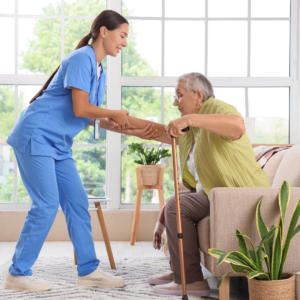
Personal Care Assistance
One of the main duties of a home health aide is to assist patients with daily living activities, including:
- Bathing, grooming, and hygiene
- Dressing and mobility assistance
- Toileting and incontinence care
- Assistance with transferring (bed to chair, etc.)
These tasks are essential for maintaining dignity, comfort, and safety.
Household Support
Home health aides also help maintain a clean and functional living environment. This may include:
- Light housekeeping and laundry
- Meal preparation and basic nutrition support
- Grocery shopping and errands
- Organizing medications (without administering)
These services ensure the home remains a safe and supportive space for the patient.
Companionship and Emotional Support
The role of a home health aide goes beyond physical care. Home health aides provide human connection, which is equally important. Many patients, especially seniors, experience isolation. Home health aides help by:
- Engaging in conversation
- Providing companionship
- Supporting emotional well-being
This aspect of care can significantly improve quality of life and mental health.
How Home Health Aides Support Families
Home health aides don’t just support patients; they also support families. Caring for a loved one can be challenging, both physically and emotionally, and having a trusted caregiver can make a meaningful difference.
With a home health aide:
- Family members can take breaks and avoid burnout
- Care responsibilities are shared and more manageable
- Loved ones receive consistent, attentive support
This partnership empowers families to dedicate more time to creating cherished memories together, freeing them from the complexities of managing every detail of care.
What’s The Difference Between Home Health Aides and Skilled Nursing Care?
While both home health aides and skilled nurses provide in-home care, their roles are not the same.
Home health aides focus on non-medical support, while private duty nurses handle clinical tasks such as:
- Medication administration
- Wound care
- Managing medical equipment
- Monitoring complex health conditions
In many cases, patients benefit from both services working together. This creates a comprehensive care plan that addresses both medical and daily living needs.
Who Can Benefit from a Home Health Aide?
Home health aide services are ideal for people who need help with daily activities but do not require full-time medical care. This includes:
- Seniors who want to stay at home
- Individuals recovering from illness or surgery
- People of any age with chronic conditions or limited mobility
- Families caring for loved ones at home
By providing consistent support, home health aides help patients maintain independence while staying in a familiar, comfortable environment.
Why Home Health Care Matters
Choosing in-home care is about more than convenience. It’s about creating a supportive environment so patients feel safe, respected, and connected.
Home health aides make this possible by bridging the gap between independence and assistance. Their work allows patients to remain in their homes while receiving the help they need to live comfortably and confidently.
Ready to Get Support at Home?
If you’re exploring in-home care options, Atlantic Care Services is here to help. Our team provides reliable, compassionate home health aides who support both patients and families with personalized care.
Contact us today to learn how our home health aide services can help your loved one stay safe, comfortable, and supported at home.